Los Angeles pet lovers.
What Makes A Good Therapy Dog?
By Joanne Stacher
We have all read articles in our local newspapers, dog magazines, obedience club newsletters, etc. on the power of Pet Therapy. The beneficial effects of animals visiting seniors, people with disabilities, and children at risk. Many of us have also learned of the requirements involved in certifying an animal for various organizations. You may even have attended an animal evaluation or a lecture regarding the Delta Society’s® Pet Partners Program®.
There are three factors to be addressed with any animal involved in Animal-Assisted Activities/Therapy. They can be dealt with in a progressive socialization and desensitizing process.
1) INTERACTIONS; First and foremost, is the animal’s interest and willingness to socialize with humans. If the animal is very or moderately interested, then you can proceed.
2) POPULATIONS; Secondly, the animal must demonstrate a tolerance to a variety of people; seniors with unsteady gait, people with physical and/or emotional handicaps, children and adolescents. The use of operant conditioning can increase an animal’s tolerance and comfort level with these populations in a variety of group settings.
3) DISTRACTIONS; This third factor involves the use of specific training which will allow an animal to be reliable under numerous different circumstances. These skills can also produce effective therapeutic results.
But what are the personality and social skills that make for a therapy dog?
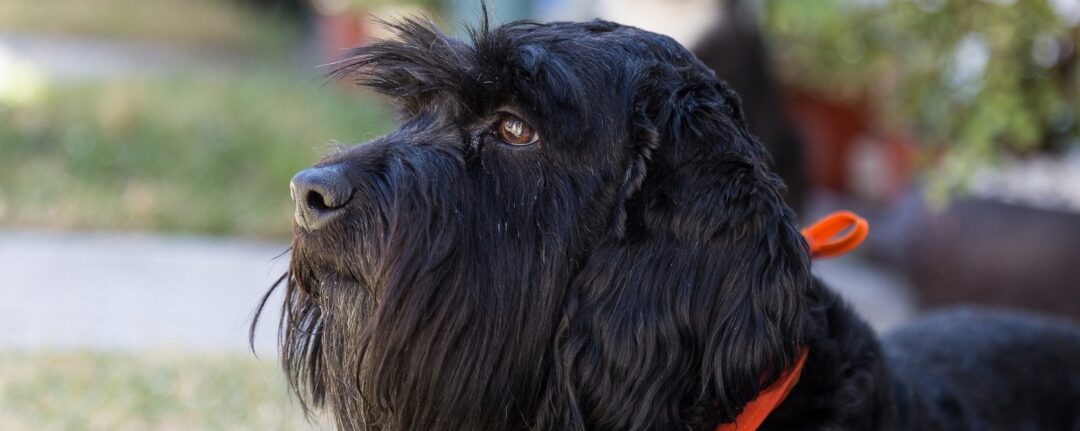
A) If you have a young dog who you perceive to be extremely interactive with people in a positive and non-aggressive manner, you have the beginnings of a good therapy dog.
B) If you have a dog who is very active and loves to play, this is also a positive trait which can be channeled into very successful therapy work.
C) If you have a dog who is very calm and very gentle along with all the factors addressed herein, you have the makings of a great therapy dog.
I highly recommend targeting specific goals for the training process you choose in the development of a therapy dog. If this is your interest, consider all factors here included in your initial puppy training, or training of an adopted and/or rescue dog. Remember, working with children of any age with disabilities is considered an advanced level of therapy work and requires specific skills and training.
Last but not least, what all these animals must show is their ability to be loving and forgiving, as this is the door to a human being’s heart, and once that door has been opened, the healing process is set in motion and miracles occur!
(Article courtesy of Pet Folio Magazine.)
(Joanne Stacher is a licensed Adv. Team Evaluator for the Delta Society® PET PARTNERS PROGRAM®, a public speaker for the Beyond Limits Program, and a certified animal/handler at numerous hospitals. She is listed in the AKC Canine Ambassador Directory for elementary school programs & summer camps, and has developed the FIRST NATIONAL AQUATIC THERAPY PROGRAM FOR DISABLED CHILDREN. Miss Stacher is a published author, and contributing writer for numerous publications, including Pet Folio Magazine and The Pet Press. To contact her for information on certifying your pet, or for development of an Animal-Assisted Therapy Program, e-mail address: PetsHelp@PacBell.net)
2) POPULATIONS; Secondly, the animal must demonstrate a tolerance to a variety of people; seniors with unsteady gait, people with physical and/or emotional handicaps, children and adolescents. The use of operant conditioning can increase an animal’s tolerance and comfort level with these populations in a variety of group settings.
3) DISTRACTIONS; This third factor involves the use of specific training which will allow an animal to be reliable under numerous different circumstances. These skills can also produce effective therapeutic results.
But what are the personality and social skills that make for a therapy dog?
A) If you have a young dog who you perceive to be extremely interactive with people in a positive and non-aggressive manner, you have the beginnings of a good therapy dog.
B) If you have a dog who is very active and loves to play, this is also a positive trait which can be channeled into very successful therapy work.
C) If you have a dog who is very calm and very gentle along with all the factors addressed herein, you have the makings of a great therapy dog.
I highly recommend targeting specific goals for the training process you choose in the development of a therapy dog. If this is your interest, consider all factors here included in your initial puppy training, or training of an adopted and/or rescue dog. Remember, working with children of any age with disabilities is considered an advanced level of therapy work and requires specific skills and training.
Last but not least, what all these animals must show is their ability to be loving and forgiving, as this is the door to a human being’s heart, and once that door has been opened, the healing process is set in motion and miracles occur!
(Article courtesy of Pet Folio Magazine.)
(Joanne Stacher is a licensed Adv. Team Evaluator for the Delta Society® PET PARTNERS PROGRAM®, a public speaker for the Beyond Limits Program, and a certified animal/handler at numerous hospitals. She is listed in the AKC Canine Ambassador Directory for elementary school programs & summer camps, and has developed the FIRST NATIONAL AQUATIC THERAPY PROGRAM FOR DISABLED CHILDREN. Miss Stacher is a published author, and contributing writer for numerous publications, including Pet Folio Magazine and The Pet Press. To contact her for information on certifying your pet, or for development of an Animal-Assisted Therapy Program, e-mail address: PetsHelp@PacBell.net)
First published in August of 1999, The Pet Press has become THE only local resource for
pet lovers in the Los Angeles area. The mission of The Pet Press is three-fold:
|
|
| |||||
|
|
| ||||||
|
| |||||||
Each issue of The Pet Press contains the following sections:
| |||||||||||||||||||||||
| |||||||||||||||||||||||